The Blueprints of Stillness: Vivekananda’s Engineering of the Inner Self
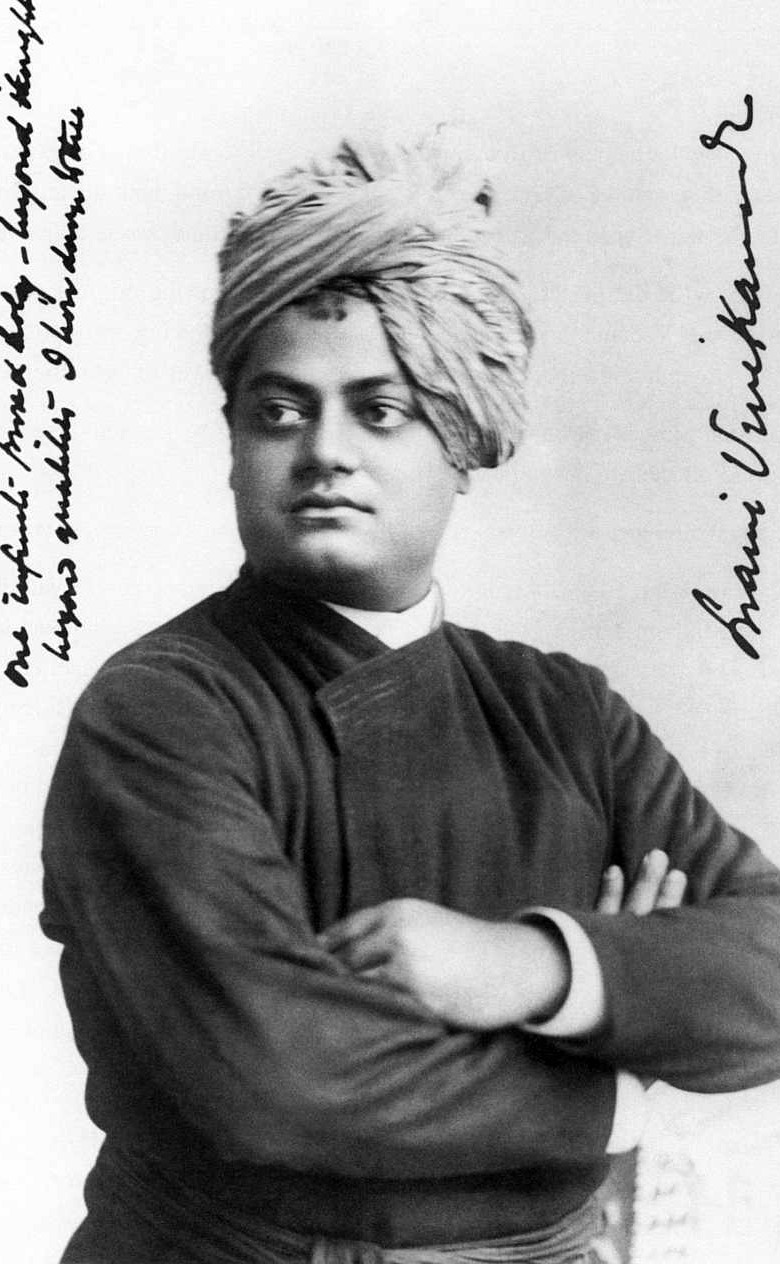 Swami Vivekananda.
In note on the left Vivekananda wrote: "One infinite pure and holy – beyond thought beyond qualities I bow down to thee".
Swami Vivekananda.
In note on the left Vivekananda wrote: "One infinite pure and holy – beyond thought beyond qualities I bow down to thee".
Swami Vivekananda viewed the human mind as a high-powered machine that most of us run at a fraction of its capacity, leaking vital energy through worry, scattered desires, and physical restlessness.
Following his philosophy that "the mind is the instrument of God-vision," Vivekananda left behind specific "blueprints" for how to build a disciplined prayer and meditation life.
Here are the specific tools he recommended for constructing your own Architecture of Spirit.
1. The Blueprint for Meditation (Dhyana)
Vivekananda taught that meditation is the highest form of prayer because it is the "silent speech of the soul." In his book Raja Yoga, he outlined a systematic approach to stilled concentration:
- The Physical Foundation (Asana): Sit in a posture where you can remain for a long time without thinking of the body. "A bent spine," he warned, "is a barrier to the flow of spiritual energy."
- The Clearing (Pranayama): Before starting, practice rhythmic breathing. This calms the "monkey mind" and prepares the nerves for deeper work.
- The Visualization: He suggested focusing on a "Lotus in the Heart" or a "Point of Light" between the eyebrows.
- The Mental Guard: When stray thoughts enter (and they will), do not fight them. Watch them like a witness until they grow tired and leave.
2. The Internal Workshop: Clearing the Mental Debris
Vivekananda often described the mind as a "drunken monkey stung by a scorpion." To engineer stillness, one must first observe the chaos without being swept away by it.
"Sit and let the mind run. Let it think all the wild thoughts it wants... just watch. After a while, the monkey grows tired. That is when you begin to build."
This practice of Pratyahara (withdrawal of the senses) is the first step in reclaiming the "building materials" of your attention from the outside world.
3. Practical Instructions: The "Morning Ritual"
Vivekananda suggested a simple but profound morning prayer routine for those living in the world:
- The Prayer for All: Upon waking, send a current of holy thoughts to all creation. Say in your mind: "May all beings be happy; may all beings be peaceful; may all beings be blissful."
- The Affirmation of Purity: Instead of praying for forgiveness for "sins," he insisted on praying for Strength.
- Mantra: "I am the Atman (Soul). I am Birthless. I am Deathless. I am Pure."
- The Concentration of Will: Spend at least ten minutes in absolute silence, trying to hold the mind on a single divine attribute, such as "Infinite Peace" or "Infinite Love."
4. The Final Capstone: The "Universal Prayer"
Vivekananda’s prayer life culminated in the idea that Work is Worship. He believed that if you cannot find God in the person sitting next to you, you will never find Him in a book or a stone image.
- "This is the gist of all worship — to be pure and to do good to others. He who sees God in the poor, in the weak, and in the diseased, really worships God."
By treating every interaction as a sacred act, Vivekananda turned the 24 hours of his day into one continuous, living prayer.