CV Raman was so confident of winning the Nobel Prize
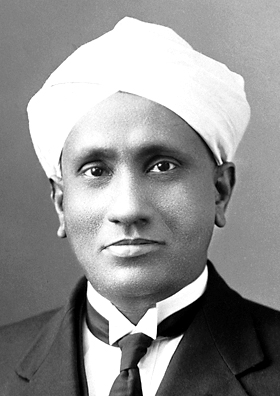 Sir Chandrasekhara Venkata Raman
In the history of science, there are many brilliant minds, but few displayed the sheer, unshakeable self-belief of Sir Chandrasekhara Venkata Raman. An Indian physicist who fundamentally changed how we understand light, Raman’s journey to the 1930 Nobel Prize in Physics is a story not just of scientific discovery, but of extraordinary confidence.
The Discovery of the Raman Effect
In 1928, working with simple equipment in a modest laboratory in Kolkata, C.V. Raman made a groundbreaking discovery. He proved that when light passes through a transparent material, some of the light changes its wavelength and color. This phenomenon, which occurs because light interacts with the molecules of the material, became known worldwide as the Raman Effect.
It was a monumental achievement. It provided undeniable proof of the quantum nature of light and gave scientists a powerful new tool to understand the molecular structure of different substances. The scientific community was stunned by the clarity and importance of his work.
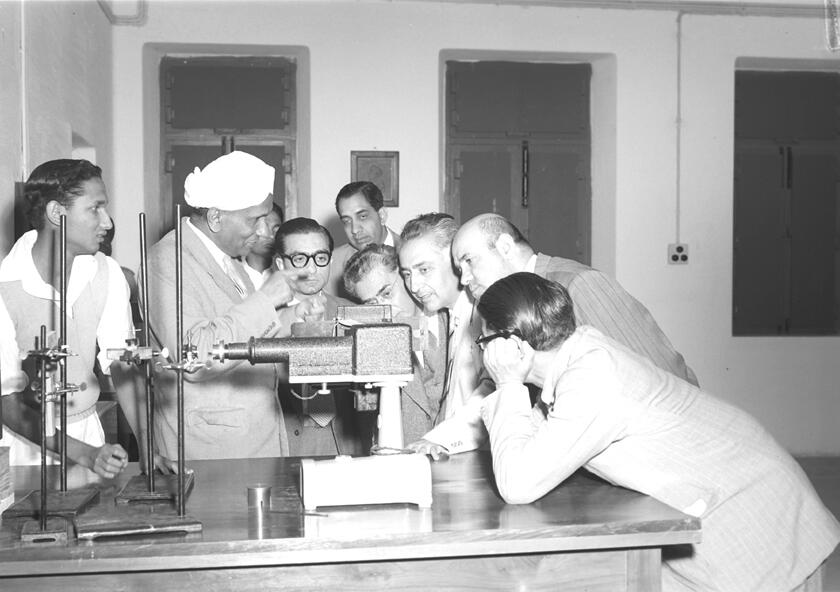 Sir CV Raman explaining the Raman Effect
A Ticket to Stockholm
While many scientists wait nervously for years hoping to be recognized by the Nobel Committee, Raman's approach was entirely different. The story of his 1930 Nobel Prize is legendary because of an incredible leap of faith—or rather, a leap of absolute certainty.
The Nobel Prizes are traditionally announced in November, and the award ceremony takes place in Stockholm, Sweden, in December. In 1930, traveling from India to Europe required a long journey by ship. Waiting for the November announcement would mean missing the ceremony entirely.
Raman was so confident that his discovery was worthy of the highest honor in science that he booked his steamship tickets to Sweden in July—four months before the Nobel Prize winners were officially announced. He made the reservations for himself and his wife, trusting entirely in the merit of his hard work.
>When November arrived, his confidence was validated. He was awarded the 1930 Nobel Prize in Physics, becoming the first Asian and the first non-white person to win a Nobel Prize in any branch of science.
The Foundation of Confidence
C.V. Raman’s story leaves us with a powerful lesson about the nature of true self-belief. In our own lives and careers, we often wait for external validation—a promotion, an award, or a compliment—to feel that our work is valuable.
Raman teaches us that when you dedicate yourself completely to your craft and put in uncompromising hard work, you do not need to wait for the world’s applause to know your own worth. True confidence is built in the quiet hours of dedication, long before the spotlight shines. If you know you have done the work, do not be afraid to believe in yourself. Sometimes, you just have to go ahead and book the ticket.